Insights
Shopify Migration: Why it’s an investment, not a cost
Caitlin Telford
Published: April 23, 2026
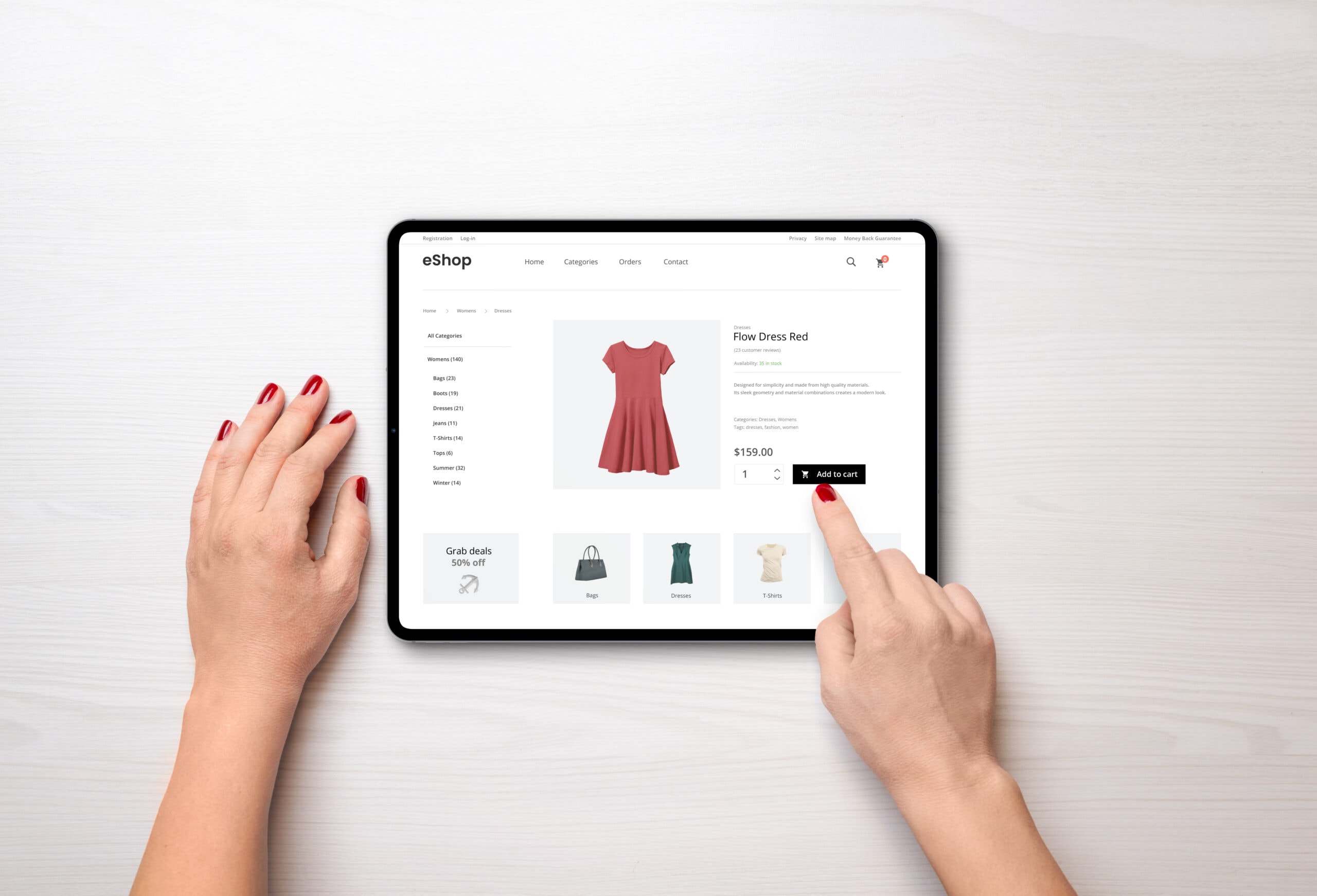
We see it every week. A brand decides to move to Shopify Plus because their legacy platform is “holding them back.” They find the cheapest quote, sign the deal, and then – overnight – years of organic SEO rankings and revenue disappear.
Quickfire Co-Founder, Nathan Lomax recently sat down with Jessica Kent, Head of Agency & Tony Conte, Founder at Brave Agency to unpack why many migrations can feel like a gamble.
In this blog we’ll break down what happens in a website migration, why many go wrong, and what changes when you involve an SEO agency from day one – as demonstrated in our collaboration with Kettler.
A website migration is one of the highest-risk moments for a digital business. Nathan is clear about the risks of ignoring SEO during the initial planning phase:
“If you’re going to do a migration, it’s commercial suicide not to have an SEO partner in your corner… It’s like insurance. Would you buy a new car and not take out insurance? No, you wouldn’t… this is a massive part of your business.”
By involving an agency like Brave from day one, you’re not just “fixing” redirects later; you’re protecting your revenue. It’s far more cost effective to invest in the right partner upfront than to spend six months firefighting a ranking collapse after launch.
Search engines spend months – even years – learning your site: understanding your pages, topical authority, and the signals that justify your rankings. A poorly managed migration disrupts all of that overnight. Without the right foundations in place before launch, you risk damaging years of hard-earned organic equity, and revenue at the push of a button.
Migrations rarely fail because of a single technical issue, they fail due to commercial misalignment.
Too often, leadership teams will sign off on a “£30,000 migration” only to be hit with a “ton of work” and hidden fees later. Nathan explains the importance of evaluating the full 12-month Total Cost of Ownership (TCO), not just the initial build fee:
- Platform & License: Is it Shopify Plus or Advanced?
- App Ecosystem: With over 12,000 apps available, what are the monthly costs for your specific needs?
- Transaction Fees: What are the payment and hosting costs over the first year?
As Nathan puts it, you need full visibility upfront so you aren’t going back to the board “cap in hand” mid-project to request more budget.
Well to put simply, your visibility disappears.
Pages that once ranked highly drop out of search results, loyal customers land on error pages, and marketing channels such as Google Ads to email become disrupted as product feeds and site structures change beneath them.
Can you recover from this? Yes it’s possible but takes far longer than most brands expect.
Every week spent recovering is not spent towards growth: investing in new content, improving conversion rates, or scaling acquisition channels. As Jessica Kent explains:
“Recouping and firefighting afterwards is not a quick fix. If you have a poor migration, that’s up to six months of fixing, and a crazy amount of additional money added to a project that’s already been signed off.”
The collaboration between Quickfire and Brave is best seen through Kettler, a premium garden furniture brand.
It was clear their previous site was holding back growth; slow, inflexible, and poorly structured. The client also lacked the ability to test and iterate in-house without developer reliance, hence their desire to move to Shopify.
Historically, the brand had prioritised retail partnerships through garden centres and major stockists, with the website playing a supporting role rather than acting as a primary revenue channel. This migration presented the opportunity to shift that balance and unlock direct-to-consumer growth.
The joint discovery workshop brought together Quickfire’s development and project leads, Brave’s SEO specialists, and Kettler’s internal marketing team. This early collaboration ensured full alignment on commercial goals, technical requirements, and SEO considerations before any build work began.
Following the session, the Quickfire team produced a detailed technical specification that became the single source of the truth for the migration project. As a result, Brave could clearly visualise what was being built, how it would function, and the timeline of when it would be delivered – months before anything reached staging.
The results of this SEO-led migration speaks for themselves. There was no ranking loss across core commercial pages from day one, and key top-level keywords improved within the first six weeks. Organic revenue remained stable post launch, with performance continuing to grow:
- 28% increase in conversion rate
- 29% increase in average order value
- 144% increase in year-on-year revenue
As Nathan summaries: “The numbers do the talking for this story. We all got in the room together. We went through the process together. We didn’t cut corners.”
If you’re starting your migration journey:
- Don’t rush the go live: It’s better to launch a fully optimised site than hit a “random date” and underdeliver.
- Listen to your customers: Use data, not just subjective opinions like “the site feels tired”, to inform design and UX decisions.
Whilst our core expertise is in Shopify development, we understand that SEO is a critical part of a successful migration. That’s why we work closely with trusted SEO partners, such as Brave Agency, to safeguard your rankings, identify growth opportunities, and support long-term performance.
If you still have questions, you can download our platform specific migration guides for more detailed insights here.
Or if you’re already planning your migration to Shopify, we can guide you through the technical build and connect you with the right SEO expertise for your needs. Contact us here.